
A Comfortable, Practical Eating Plan for Your First Days With Braces
For fixed braces, choose oatmeal, eggs, yogurt or smooth soup. Soreness often peaks around days 2-3; add soft pasta, soft rice or flaky fish as comfort returns.
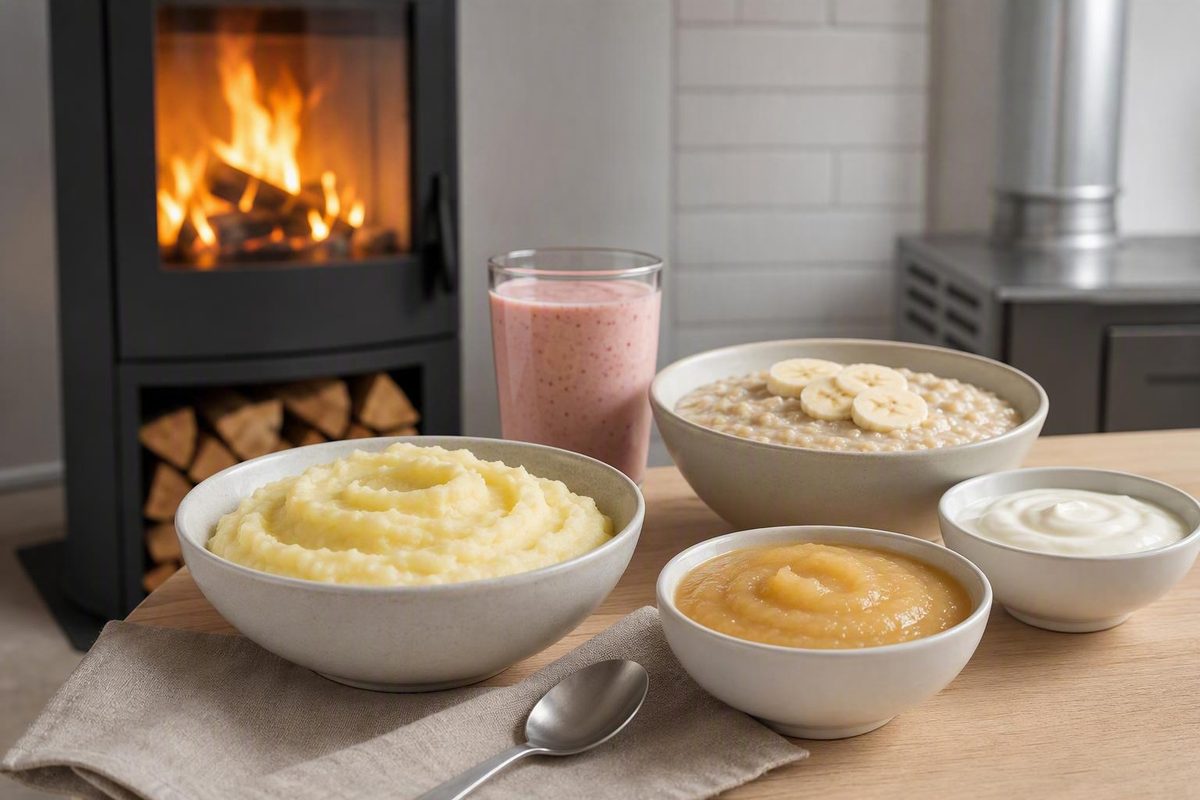
The short answer: what to eat during your first week
When new fixed braces make your teeth tender, favor soft, nourishing foods that require little biting or chewing. Reliable starting choices include:
- Oatmeal or cream of wheat
- Scrambled eggs
- Yogurt
- Applesauce
- Mashed potatoes
- Smoothies without nuts, crunchy toppings, or large frozen pieces
- Smooth or soft soup without tough chunks
These choices reduce the chewing pressure needed while your mouth adjusts. The American Association of Orthodontists recommends foods such as oatmeal, eggs, soup, soft pasta, cooked vegetables, mashed potatoes, bananas, yogurt, and flaky fish when new braces make eating uncomfortable.
As chewing becomes easier, gradually try well-cooked pasta, soft rice, tender vegetables, flaky fish, tofu, beans, lentils, and finely shredded boneless chicken. Progress according to comfort rather than waiting for a particular day: test a small portion, chew gently, and return to softer food if it hurts.
No list can guarantee that every item will feel comfortable. A ripe banana may be easy to eat while an underripe one feels too firm. Smooth soup may be comfortable when lukewarm but unpleasant when very hot. Pasta can be tender or chewy depending on how it is cooked, and a smoothie can become difficult if it contains nuts, crunchy toppings, or large frozen pieces.
This article concerns fixed braces. Mechanical Mentor is not an orthodontic, dental, medical, or nutrition authority. The guidance below synthesizes patient information from the American Association of Orthodontists and orthodontic providers; it is not a diagnosis, medical nutrition plan, or substitute for instructions from your treating orthodontist. Follow your orthodontic team’s advice whenever it differs, especially if you have appliance damage, medical dietary requirements, swallowing difficulties, or trouble maintaining adequate food or fluid intake.
Why eating feels different—and how long soreness may last
Fixed braces begin applying controlled pressure after placement. That can make teeth and surrounding tissues tender, so the pressure of biting or chewing may feel uncomfortable even when the food is normally easy to eat. Brackets and wires may also rub against the lips or cheeks while the mouth adapts.
A commonly described pattern is:
- Tenderness begins within several hours.
- Soreness is often most noticeable around the second or third day.
- Chewing gradually becomes more comfortable over the following days.
- Sensitivity commonly improves within about a week, although individual experiences vary.
A clinically reviewed orthodontic-provider guide says tenderness often begins within hours, typically peaks around days two or three, and then gradually improves, with sensitivity usually subsiding within a week for most patients. This is a typical pattern, not a guaranteed recovery schedule (Diamond Braces guidance).
Some people can comfortably eat soft pasta or shredded chicken after a few days; others prefer mashed, blended, or puréed foods for longer. Use symptoms to guide progression:
- If chewing is notably uncomfortable: remain with foods requiring minimal chewing.
- If very soft foods are comfortable: introduce foods that need gentle chewing.
- If a new texture hurts: stop and return to something softer.
- If pain is severe, unusual, worsening, or associated with visible appliance damage: contact the orthodontic team.
Temporary comfort limits are different from treatment-long appliance restrictions. A raw carrot may hurt during the first week because your teeth are tender, but biting into it can also place concentrated force on brackets. Once soreness resolves, you can broaden your diet, but hard, sticky, crunchy, tough, and very chewy foods may still threaten brackets and wires throughout treatment. Broken brackets or loose wires can require additional attention and may interfere with treatment (orthodontic appliance guidance).
A flexible first-week meal plan
This is a texture progression, not a medically prescribed seven-day schedule. Move forward when chewing feels comfortable and remain at an earlier stage for longer when necessary.
First 24–48 hours, or while chewing is most uncomfortable
Orthodontic guidance commonly recommends foods requiring very little chewing during the first 24–48 hours, when tenderness may be particularly noticeable (first-day eating guidance). Try to combine foods rather than relying on a single dessert or drink for every meal.
Breakfast ideas
- Oatmeal thinned to a comfortable consistency, with mashed banana
- Soft scrambled eggs with applesauce
- Cream of wheat with milk or a suitable alternative
- Yogurt blended with smooth fruit purée
- A smooth, seed-free smoothie without nuts or crunchy additions
Lunch ideas
- Smooth, lukewarm vegetable soup
- Mashed potatoes with soft, flaky fish
- Puréed bean or lentil soup
- Soft rice stirred into smooth broth, if the rice does not feel sticky or irritating
- Cottage cheese with mashed avocado
Dinner ideas
- Mashed potato or sweet potato with flaky fish
- Smooth lentil or bean soup
- Soft scrambled eggs with well-mashed vegetables
- Silken or very soft tofu with tender rice
- Blended soup followed by yogurt or applesauce if a larger meal is difficult
Snacks
- Yogurt
- Applesauce
- Mashed ripe banana
- Cottage cheese
- Avocado
- Pudding in moderation
- A smooth protein shake that is appropriate for your established dietary needs
Middle of the week, as tolerated
Once minimal-chewing foods feel comfortable, introduce soft dishes with slightly more texture:
- Soft pancakes without crisp edges
- Macaroni and cheese
- Tender noodles
- Risotto
- Well-cooked vegetables
- Tofu
- Soft beans
- Lentil stew
- Cottage cheese
- Finely shredded boneless chicken
- Polenta
- Soft pasta with smooth sauce
Try one new texture at a time. Cut noodles and shredded meat into manageable pieces instead of taking large bites. There is no benefit in forcing the progression simply because several days have passed.
Later in the week, when gentle chewing is comfortable
Possible meals include:
- Egg salad on very soft bread with hard crusts removed
- Soft pasta with tender, finely cut vegetables
- Soft rice with tofu
- Tender fish with mashed potatoes and cooked vegetables
- Finely shredded chicken with well-cooked pasta
- Soft-crust pizza cut into small pieces, with the firm outer crust left uneaten
Bread, pizza, sandwiches, muffins, and quesadillas require judgment. A fresh, crustless sandwich differs from a toasted baguette, just as a soft quesadilla differs from one fried until crunchy. Orthodontic meal guidance supports beginning with foods requiring very little chewing and adding pasta, pancakes, soft sandwiches, and similar foods according to comfort (first-week meal guidance).
Mix-and-match meal ideas
Choose one item from each column to assemble a simple meal:
| Soft carbohydrate | Soft protein | Soft fruit or vegetable |
|---|---|---|
| Oatmeal | Scrambled eggs | Mashed banana |
| Mashed potato | Flaky fish | Well-cooked carrots |
| Soft rice | Tofu | Tender zucchini |
| Pasta | Shredded chicken | Cooked squash |
| Polenta | Soft beans | Avocado |
| Risotto | Lentils | Applesauce |
Water or milk may be suitable drinks. If you have an allergy, intolerance, medically prescribed diet, or other dietary requirement, use alternatives already approved for you rather than relying on a generic substitution.
Portable lunches and snacks
For school, work, or travel, practical options assembled from the same supported soft foods include:
- Yogurt in an insulated container
- Applesauce cups
- A ripe banana
- Cottage cheese
- Pudding as an occasional snack
- A smooth protein shake
- Soft cheese
- Mashed avocado
- Tender pasta cut into small pieces
- Macaroni and cheese in a thermal container
Check the finished texture before packing. Bring water so you can rinse away food caught around the brackets after eating.
Keep desserts in their proper place
Pudding, ice cream, and frozen yogurt may require little chewing, but they are optional desserts rather than complete first-week meals. If you choose them, omit nuts, brittle pieces, hard chocolate, sticky caramel, candy, and other firm fillings or toppings.
Cold desserts may also be uncomfortable if your teeth are temperature-sensitive. Choose a neutral-temperature alternative when necessary.
Compact first-week grocery list
Soft grains and starches
- Oats or cream of wheat
- Potatoes or sweet potatoes
- Pasta and noodles
- Rice
- Polenta
- Pancake ingredients
Proteins
- Eggs
- Tofu
- Fish suitable for a tender, flaky preparation
- Beans and lentils
- Boneless chicken for slow cooking and shredding
- Smooth protein shakes already suitable for your needs
Fruits
- Bananas
- Applesauce
- Ripe fruit suitable for purée
- Avocados
Vegetables
- Potatoes
- Carrots for cooking
- Squash
- Zucchini
- Frozen vegetables that can be cooked until very tender
Dairy or established alternatives
- Yogurt
- Cottage cheese
- Soft cheese
- Milk or an appropriate alternative
Soups
- Smooth vegetable soup
- Lentil or bean soup
- Broth
- Ingredients for blended homemade soup
Pantry staples
- Smooth pasta sauce
- Mild seasonings
- Cooking oil
- Smooth gravy
- Pudding for occasional dessert
Eat now, modify first, or avoid: a texture-based guide
A food’s name does not determine whether it is comfortable or appropriate. Texture, cooking method, serving temperature, toppings, ripeness, portion size, and your orthodontist’s instructions all matter.
| Eat now if comfortable | Modify first | Avoid while wearing fixed braces |
|---|---|---|
| Oatmeal | Apples and firm fruit | Popcorn |
| Scrambled eggs | Carrots and other firm vegetables | Nuts |
| Yogurt | Pizza | Chewing ice |
| Applesauce | Bread and sandwiches | Hard candy |
| Mashed potatoes | Meat | Sticky or chewy candy |
| Soft pasta | Corn | Hard or thick chips |
| Smooth soup | Ramen | Hard pretzels |
| Ripe bananas | Smoothies | Hard pizza crust |
| Soft tofu | Muffins and quesadillas | Bagels and hard rolls |
| Soft beans or lentils | Rice and berries | Tough meat and jerky |
| Flaky fish | Other very hard, sticky, crunchy, or chewy foods |
These categories are general guidance, not guarantees. The first column concerns foods that usually require relatively little biting force when properly prepared. The last column identifies textures commonly restricted because they may damage or pull at fixed appliances.
Eat now if comfortable
Foods in this category may be manageable when properly cooked and served without hard additions. However:
- Smooth soup is different from soup containing tough meat or large, firm vegetables.
- Plain oatmeal is different from oatmeal topped with nuts or brittle granola.
- Tender pasta is different from undercooked or unusually chewy pasta.
- Ripe banana is different from firm, underripe fruit.
Temperature matters too. A food does not have to be cold to count as soft. If cold or hot food triggers sensitivity, choose room-temperature or lukewarm options.
Modify first
Apples, carrots, and other firm produce: Cook until tender, purée, finely chop, or cut into small, thin pieces. Do not bite directly into a whole firm apple or raw carrot with the front teeth.
Pizza: Choose a genuinely soft portion, cut it into small pieces, and chew gently with the back teeth. Leave hard, crisp, or very chewy crust uneaten.
Bread and sandwiches: Choose fresh, soft bread and remove hard crusts. Cut the sandwich into small pieces rather than biting through a thick stack. Avoid toasted, crusty, dense, or chewy bread.
Meat: Select tender, moist preparations. Shred, mince, or cut meat into small pieces. Remove meat from ribs, wings, or other bones before eating instead of biting it directly from the bone.
Corn: Remove the kernels from the cob.
Ramen: Cook the noodles until fully tender, cut long noodles if useful, and omit crunchy toppings.
Smoothies: Blend until smooth and omit nuts, hard additions, crunchy toppings, and large frozen pieces. A universal rule against every type of seed is not supported here; consider the finished texture and how easily the ingredients become trapped around your braces.
Rice and berries: Assess the finished dish. Soft rice may be comfortable, while a sticky preparation can cling around brackets. Very ripe berries may be soft, but firmer fruit or prominent seeds may be irritating or inconvenient to clean.
Muffins and quesadillas: A moist muffin without nuts or a hard topping may be manageable, while a dry muffin with a crisp top may not be. A soft quesadilla cut into pieces differs from one cooked until crunchy.
The reason for modifying these foods is not always the same. Some textures are temporarily uncomfortable for tender teeth; others may place force on brackets or wires. Hard, sticky, and difficult-to-bite foods can damage fixed appliances and potentially prolong treatment (AAO eating guidance).
Avoid while wearing fixed braces
Commonly restricted foods include:
- Popcorn
- Nuts
- Chewing ice
- Hard candy
- Caramel, taffy, gummies, and similarly sticky candy
- Hard or thick chips
- Hard pretzels
- Hard pizza crust
- Bagels and hard rolls
- Tough meat and jerky
- Other very hard, crunchy, sticky, tough, or chewy foods
These restrictions are not solely about first-week soreness. They are intended to protect brackets and wires throughout treatment. Your orthodontist may give more specific instructions based on your appliance.
How to prepare and eat food more comfortably
Preparation can matter as much as the ingredient. Before deciding that a favorite food is unavailable, consider whether you can safely change its texture:
- Blend soups, shakes, and sauces until smooth.
- Mash potatoes, bananas, avocado, beans, or cooked vegetables.
- Purée fruit and vegetables that remain difficult to chew.
- Soft-cook pasta, rice, vegetables, beans, and meat.
- Peel firm or fibrous produce where useful.
- Shred tender chicken or other soft meat.
- Debone fish and remove other meat from bones before serving.
- Remove hard crusts from bread and pizza.
- Cut food into small pieces before it reaches your mouth.
When eating:
- Take small bites.
- Eat slowly.
- Chew gently with the back teeth.
- Avoid biting directly into firm food with sensitive front teeth.
- Stop if a food causes notable pain rather than trying to push through it.
Soup deserves special attention because “soup” does not automatically mean soft. Check for chewy meat, firm beans, large vegetable pieces, hard croutons, undercooked noodles, or crunchy garnishes. Continue cooking or blend the soup when necessary.
Choose a temperature that feels comfortable. Cool yogurt or smoothies may feel soothing to some people, but hot or cold food can aggravate temperature sensitivity in others. Room-temperature applesauce and lukewarm soup are reasonable alternatives when temperature extremes are unpleasant.
Spicy and acidic foods do not have to be prohibited for everyone. They may, however, sting when brackets or wires have rubbed the inside of the cheek. Choose milder food while irritated tissue settles, and ask your orthodontic team about persistent rubbing or a sharp component (first-week irritation guidance).
Useful substitutions include:
- Mashed banana instead of biting into a firm apple
- Cooked carrots instead of raw carrot sticks
- Shredded chicken instead of chewy steak
- Soft noodles instead of crunchy snacks
- Applesauce instead of crisp fruit
- Flaky fish instead of jerky
- Smooth soup instead of soup with tough meat or firm vegetables
Build balanced soft meals and keep braces clean
A soft diet can still include varied meals. A simple planning framework is:
- A soft protein
- A soft carbohydrate
- Soft fruit or cooked vegetables
Soft protein choices include eggs, yogurt or cottage cheese where suitable, flaky fish, tofu, beans, lentils, and tender shredded chicken. Pair them with oatmeal, mashed potatoes, soft rice, pasta, polenta, or another tender grain. Add bananas, applesauce, avocado, blended fruit, or well-cooked vegetables.
Examples include:
- Scrambled eggs, oatmeal, and mashed banana
- Fish, mashed potatoes, and tender vegetables
- Tofu, soft rice, and cooked zucchini
- Pasta, shredded chicken, and cooked squash
- Beans, soft rice, and avocado
- Lentil stew with mashed vegetables
This framework is general meal-planning guidance, not a condition-specific diet. If you have allergies, diabetes, dairy intolerance, swallowing difficulties, sensory needs, or another condition affecting what or how you eat, ask an appropriate healthcare professional for individualized advice. Contact your orthodontic office if the appliance prevents you from following an established medical diet.
Fixed braces create additional spaces where food can become trapped and may be harder to clean. The AAO advises rinsing with water after eating and maintaining careful brushing and flossing. Use the orthodontic brushes, floss threaders, interdental tools, or other cleaning method demonstrated by your treating team.
A practical after-meal routine is:
- Rinse thoroughly with water.
- Check around brackets and wires for visible food.
- Brush gently and carefully when you are able.
- Use the flossing or interdental method recommended by your orthodontist.
- Seek advice if a component feels loose, sharp, or displaced.
Do not assume that soft food cannot cling to braces. Sugary foods and drinks should not become first-week staples merely because they require little chewing. Keep desserts moderate and choose water regularly.
When to expand your diet—and when to call your orthodontist
Expand your diet when chewing no longer causes notable discomfort. Begin with foods that require gentle chewing—such as soft pasta, tender vegetables, soft rice, tofu, flaky fish, or shredded chicken—rather than jumping directly from mashed food to nuts, hard chips, or crusty bread.
Use two decision criteria:
- Your comfort
- Your orthodontist’s instructions
The calendar is secondary. Day seven does not guarantee that everyone can tolerate the same textures, and feeling better does not remove treatment-long restrictions on hard, sticky, crunchy, tough, or very chewy foods.
Contact your orthodontic team if you experience:
- Severe or unusual pain
- Pain that persists or becomes worse instead of improving
- Pain that prevents adequate eating or drinking
- A loose bracket
- A broken, displaced, or poking wire
- Pain associated with visible appliance damage
Do not assume that every painful bite is ordinary soreness if the appliance looks or feels damaged. Orthodontic guidance recommends contacting the treating office when discomfort persists or a bracket is loose or a wire is poking (appliance-problem guidance).
Similar soft-food strategies may be useful after later adjustments, although the intensity and duration of sensitivity can differ from the first week.
Frequently asked questions
Can I eat pizza during the first week with braces?
Possibly, if both your comfort and the pizza’s texture allow it. Choose a soft portion, cut it into small pieces, and chew gently with the back teeth. Leave hard, crisp, or very chewy crust uneaten.
A soft base with tender toppings is different from thin, brittle pizza or a thick, tough crust. If even the soft portion hurts to chew, wait and try it later. Hard pizza crust remains an appliance risk after first-week soreness improves.
Can I eat ramen, rice, or bread with new braces?
Ramen: Cook the noodles until fully tender and omit crunchy toppings. Cut long noodles if that makes them easier to manage. This preparation is specifically included in orthodontic first-week food guidance (Silcox Orthodontics food guide).
Rice: Soft rice may be comfortable, but preparation matters. Avoid undercooked grains, and clean carefully because rice can become trapped around brackets.
Bread: Choose fresh, very soft bread, remove hard crusts, and cut it into small pieces. Avoid toasted, crusty, dense, or chewy bread, including bagels and hard rolls. A sandwich’s suitability also depends on its filling, thickness, and overall texture.
Are cold foods good for braces soreness?
Cold yogurt, smoothies, ice cream, or frozen yogurt may feel soothing to some people, but cold foods can aggravate temperature sensitivity in others. The effect is individual rather than guaranteed.
If cold food is uncomfortable, choose room-temperature yogurt, applesauce, mashed potatoes, or lukewarm soup. Never chew ice because its hardness can damage brackets or wires.
How long should I eat soft foods after getting braces?
Eat soft foods for as long as chewing remains uncomfortable, then gradually introduce foods that require gentle chewing. Tenderness is often most noticeable during the first few days and commonly improves within about a week, but the timing varies (first-week orthodontic guidance).
There is no need to force firmer food on a fixed day. Conversely, if soft pasta or tender fish feels comfortable, you do not necessarily have to remain on puréed food. Continue following treatment-long restrictions on hard, sticky, and crunchy foods after soreness resolves.
What should I do if it hurts too much to eat or a bracket is loose?
Contact your orthodontic team if pain is severe, unusual, persistent, worsening, or prevents you from maintaining adequate food or fluid intake. You should also call if a bracket is loose or a wire is broken, displaced, or poking your cheek. Orthodontic guidance specifically recommends seeking help for severe or worsening pain and appliance problems (first-week braces guidance).
Until you receive instructions, avoid hard chewing. Do not assume the pain is routine first-week tenderness when the appliance appears damaged.
The bottom line
Begin with soft, balanced meals that require minimal chewing. Modify borderline foods by cooking, blending, shredding, removing hard parts, and cutting them into small pieces. Continue avoiding textures that can damage fixed braces.
Expand your diet according to comfort rather than the calendar, clean carefully after meals, and contact your orthodontic team if pain is severe or worsening, eating or drinking becomes difficult, or a bracket or wire appears damaged.