
Copper Chimney Caps: When the Material Is Worth Paying For
Compare copper chimney caps with stainless steel, understand patina and runoff risks, and check construction before paying for the upgrade.
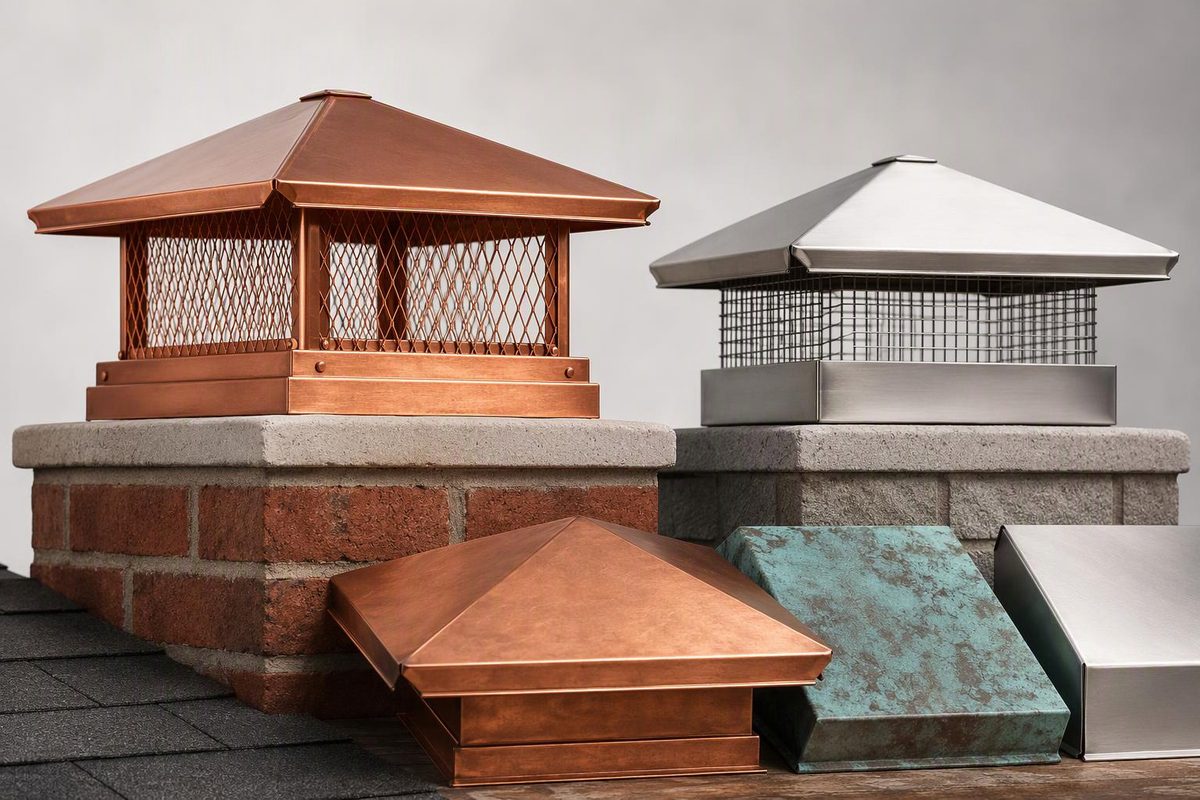
Choose a cap that is compatible with the appliance and chimney before choosing copper. Once compatibility is settled, copper offers corrosion resistance and a distinctive weathering finish—but can carry a substantial price premium. It makes the most sense when you want the aged appearance, not merely a shiny cap on installation day.
For factory-built chimney systems, verify the permitted termination and any decorative enclosure in the system instructions. A custom copper hood is not automatically an acceptable substitute. For example, DuraVent’s DuraTech specifications identify system-specific shroud requirements. Use the chimney cap replacement guide for fit, mesh and mounting checks; the decision here is whether copper is worth the upgrade.
What copper adds—and what it does not
Copper’s weathering is part of its durability. The Copper Development Association explains that the patina adheres tightly to the surface and provides protection against further weathering. Its architectural handbook, sections 1.1–1.3, describes copper as corrosion-resistant, not immune to every exposure.
That is a good reason to consider copper, but not a basis for promising a fixed chimney-cap lifespan. Evaluate the complete assembly: hood, mesh, frame, seams and fasteners. A durable copper roof does not tell you how well the cap’s other parts are specified.
Nor is “copper” a draft-performance rating. Do not pay the material premium expecting it to correct a smoking fireplace or wind-related downdraft. Those are separate venting and cap-design questions.
Stainless steel remains worth comparing. In one like-size example checked on November 2, 2026, Chim Cap listed its Forever multi-flue cap with a 13-by-14-inch screen and standard 10-inch screen height at:
| Material | Listed base price |
|---|---|
| Copper | $427.76 |
| Stainless steel | $123.85 |
Both pages list the same 20-by-21-inch hood dimensions and a lifetime warranty; installation hardware is excluded. This is a product comparison, not an installed-cost range, but it illustrates why copper should be an intentional finish choice. Read the warranty terms rather than treating “lifetime” as a predicted service life.
Expect the shine to change
Uncoated copper changes from its fresh salmon-red appearance toward reddish-brown and, with suitable exposure, gray-green patina. The rate varies with the environment. The CDA handbook notes faster patination in some metropolitan, marine and industrial areas and labels its weathering chart as climate-dependent. Do not buy on the promise that every cap will turn uniformly green within a particular number of years. Source: CDA handbook, sections 1.3 and 2.1.
If you want the original bright finish, ask whether the cap is coated and what maintenance that coating requires. Clear coatings can delay tarnishing, but they degrade over time, especially outdoors; maintaining them may involve stripping, refinishing and recoating. Only use a finish approved by the cap manufacturer for that application. Source: CDA handbook, section 3.3.
Normal surface patina is not, by itself, a reason to replace a cap. Inspect damage, attachment and blocked openings separately from color.
Check runoff and adjoining metals
Two material-specific drawbacks deserve attention before ordering:
- Staining below the cap. Copper-laden moisture can leave green stains on porous materials such as limestone or marble, particularly light-colored surfaces. Ask the fabricator how the hood’s drip edges direct water away from vulnerable masonry.
- Metal compatibility. Copper contact is a particular concern for aluminum and zinc. Copper runoff can also accelerate corrosion of exposed aluminum, even when direct contact is prevented. Stainless steel generally does not require isolation from copper under most circumstances. Have the installer specify compatible attachment hardware and drainage details—not simply reuse whatever screws are available.
These are documented architectural-copper concerns in CDA’s handbook, section 1.3.
What to ask for in the quote
Request the material of each component, not just “copper cap.” Mixed-metal construction exists: Texas Lightsmith’s Chimney Cap 7 specifies copper mesh and a copper exterior with an internal steel frame. That is a construction detail to evaluate, not automatically a defect.
Also request:
- Hood and mesh thickness. For sheet copper, “20-ounce copper” means 20 ounces per square foot, not the total cap weight. Ask for nominal thickness when comparing different specification systems. Source: CDA handbook, section 1.2.
- Finish and care instructions. Establish whether it is bare, prepatinated or coated, and whether the expected upkeep suits you.
- Return and warranty terms. Chim Cap states that its copper caps are made to order and nonreturnable, so confirm dimensions before authorizing fabrication.
Choose copper when its changing appearance is a feature you want and the construction and runoff details are sound. If you mainly need a compatible, serviceable cap without that finish preference, compare the stainless option before spending more.