
How to Compare High-Efficiency Wood-Burning Stoves
Compare wood-stove HHV efficiency, usable heat output and combustion types—then check chimney compatibility, clearances and firewood moisture.
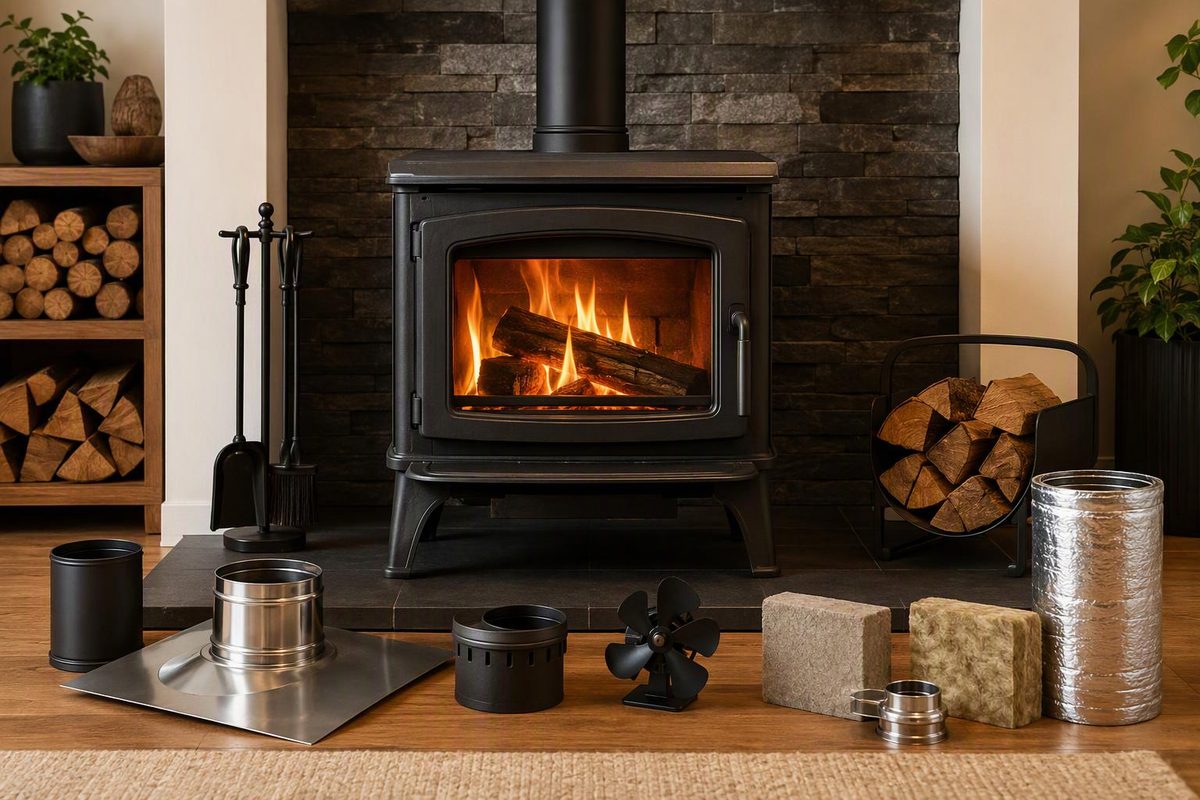
A high-efficiency wood-burning stove should deliver useful heat from less wood—not simply carry the largest percentage in a brochure. For U.S. models, compare tested overall efficiency on a higher heating value (HHV) basis, then check whether the stove’s heat output suits the house.
Before ranking efficiencies, confirm that the appliance can be installed with the required chimney, hearth and clearances. EPA notes that actual efficiency depends on wood moisture, operation and installation—not just the laboratory result. EPA’s efficiency definition explains those limits.
1. Rule out installation problems first
Get the exact model’s current manual and safety-listing information before paying a deposit. Have the proposed installation checked for:
- Clearances: stove-to-wall and connector-pipe clearances, including any alcove restrictions.
- Floor protection: required hearth dimensions and whether the appliance needs ember protection or thermal protection.
- Venting: permitted chimney type, diameter, route and height; any existing chimney’s condition and liner requirements.
- Local approval: permits, inspections and applicable wood-burning restrictions.
These are model-specific requirements. For example, the Kuma K-181 manual specifies UL 103HT factory-built chimney or approved masonry chimney, requires a UL 1777 liner for a masonry installation, and provides separate stove and pipe clearances. Its dimensions are not a template for other stoves.
Stop here if the vent path or required clearances cannot be established. A high efficiency rating does not make an incompatible chimney acceptable. EPA identifies adequate chimney draft as essential to efficient, cleaner burning and recommends professional installation. Its archived installation guidance also directs homeowners to their local building department for permit requirements.
For the distinction between the visible stove connector and the chimney system, see our Class A chimney planning guide.
2. Compare overall HHV efficiency—not mixed percentages
The ratings describe different things:
| Rating | What it tells you | How to use it |
|---|---|---|
| Overall efficiency, HHV | Percentage of the fuel’s heat transferred to the heated space under test conditions | Primary efficiency comparison |
| Overall efficiency, LHV | Efficiency calculated using a lower fuel-energy input value | Compare only with other LHV results |
| Combustion efficiency | How well the appliance converts wood into usable heat, before accounting for heat transfer to the home | Do not substitute it for overall delivered-heat efficiency |
| Emissions, grams per hour | Tested particulate output | Compare separately from efficiency, checking test fuel and method |
| Heat output, BTU/hr | Rate of heat delivery | Use for sizing, not as an efficiency percentage |
EPA’s efficiency guidance distinguishes combustion efficiency from overall efficiency: heat produced is not necessarily heat delivered to the home.
HHV and LHV can give different percentages for the same stove. As of October 4, 2026, Kuma lists its Aspen LE-1 at 78% HHV and 84% LHV. Neither figure means the stove changes performance; the calculation basis changes. The manufacturer’s efficiency explanation shows why the smaller LHV denominator produces the higher percentage.
A useful comparison sheet should record the exact model, overall HHV efficiency, tested output range, emissions, test fuel and test method. The EPA Certified Wood Heater Database provides efficiency, emissions, fuel type and certification information. Use the matching manual or test report to resolve unclear brochure claims. For label and model checks, use our EPA-certified stove verification guide.
What does an efficiency improvement save?
For a simplified comparison, assume identical fuel and an identical useful-heat requirement, with both efficiencies measured on the same basis:
Wood reduction = 1 − (old efficiency ÷ new efficiency)
Moving from 70% to 80% overall efficiency gives:
1 − (70 ÷ 80) = 12.5% less wood
That is a calculation, not a household savings promise. Fuel moisture, firing habits and heat escaping from the building can change the result substantially.
3. Match output and combustion type to your heating routine
Do not choose solely by maximum BTU output or an advertised square-footage limit. Climate, insulation and room layout affect how much heat is needed and where it can travel. The Wood Heat Organization’s buying guide explains why both maximum-output and floor-area claims can mislead.
Bring a floor plan and information about insulation, climate and existing heating to the installer or dealer. Ask for a heat-loss estimate and whether the model can provide useful heat during ordinary weather—not only during the coldest night.
Combustion technology changes the operating routine:
- Non-catalytic: uses a hot, insulated combustion area, baffle and secondary air to burn smoke. It avoids catalyst maintenance, but internal components still need attention.
- Catalytic: passes exhaust through a catalyst that allows smoke to burn at lower temperatures. This can support cleaner low-rate burning, but adds catalyst operation, cleaning and eventual replacement.
- Hybrid: combines secondary combustion and a catalyst. Check its controls and maintenance instructions rather than assuming every hybrid operates alike.
EPA’s wood-appliance explanation describes these technologies. Choose the maintenance routine you will actually follow; the technology name alone does not establish the best efficiency or fit.
4. Make the fuel and maintenance plan part of the purchase
A better stove cannot compensate for consistently wet firewood. EPA’s moisture-meter guidance recommends wood below 20% moisture and testing the newly split face, following the meter’s instructions. Wet wood produces less heat and more smoke and creosote.
Before buying, ask the dealer to demonstrate startup, reloads and low-burn operation. Request the maintenance schedule and prices for replacement catalysts, baffles, gaskets and other service parts that apply to the model.
Keep chimney inspection and cleaning in the plan even with a clean-burning stove. Maintain working smoke and CO alarms; higher efficiency does not eliminate combustion hazards. EPA safety guidance recommends annual professional inspection and cleaning of the stove, chimney and vents. Also follow the model’s maintenance instructions for checks or cleaning needed more frequently.
The strongest shortlist is not simply the three highest percentages. It is the models with a verified installation route, comparable HHV ratings, suitable heat output and an operating routine that fits your household.